

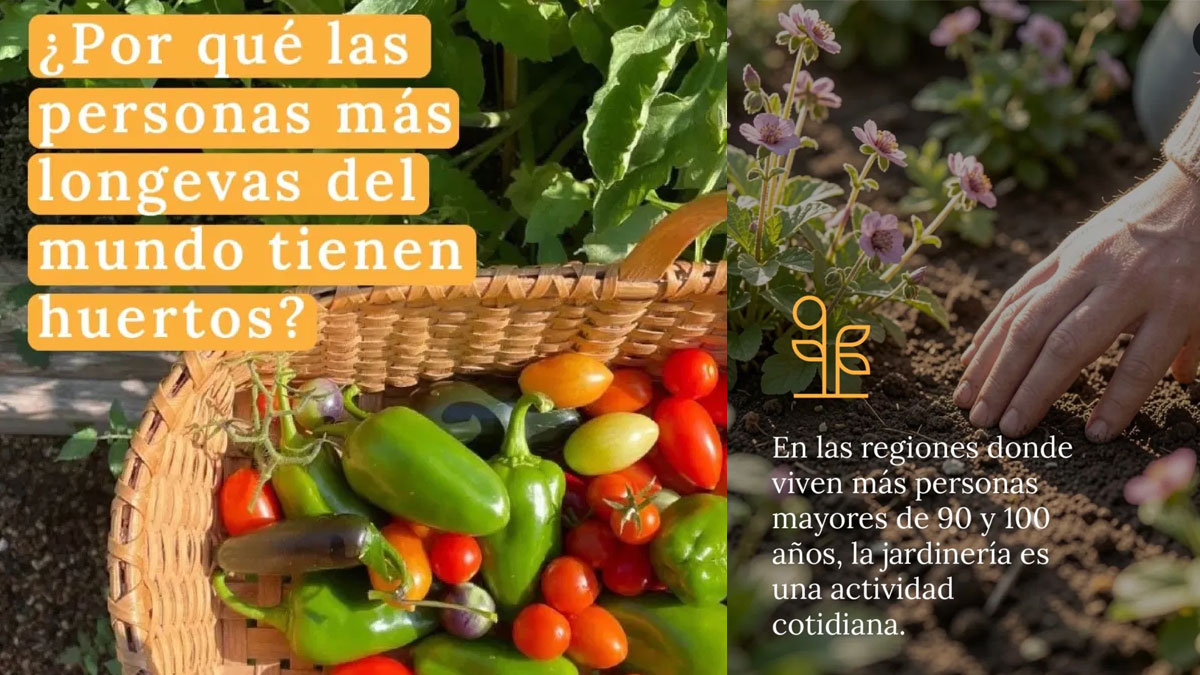
Why the World’s Longest-Living People Have Gardens? Longevity researchers have noticed something interesting: in many of the places where people tend to live the longest — some even passing 90 and 100 years old — gardening is part of their daily routine.
It’s not a miracle supplement. It’s not a perfect diet. And it’s definitely not some impossible-to-follow routine.
It’s something much simpler.
Tending a Small Garden
In these places, people tend a small garden. They go out every day to work the soil, plant, water, and harvest. No rush. It’s just a natural part of life, not another item on a to-do list.
And that daily time outside gives them several things at once: constant movement, sunlight, fresh air, real food, and a connection with nature that many of us have lost in the pace of modern life.
More Than Exercise: Contact With the Soil
Gardening also means getting your hands in the dirt, literally. And that direct contact with soil and its microorganisms may contribute to overall well-being and balance in the body — one more benefit to an activity that, at first glance, looks like just a hobby.
An Investment in Well-Being, One Seed at a Time
Maybe longevity isn’t about doing more, but about going back to doing the simple things: getting outside, moving your body, touching soil, taking care of something alive.
At Green Center, we believe every seed you plant is also an investment in your well-being. Whether you’re growing your own food or simply planting your favorite flowers, that daily connection with nature is another way to take care of your health.
Do you already have your own green space at home? Start small today: a pot, a corner of the yard, a single seed. The rest follows on its own.
